
Joint Laboratory of Faculty of Physics and Center for Micro- and Nanosciences and Technologies (NANORI), University of Rijeka.
Room: O-S24
Head of Laboratory
- Prof. Marin Karuza
- E-mail: mkaruza@uniri.hr
- Office: O-011
- Tel: +385 51 584 611
Acting Head of Laboratory
- Assist. Prof. Nenad Kralj, PhD
- E-mail: nkralj@uniri.hr
- Office: O-012
- Tel: +385 51 584 617
Collaborators
Doctoral Students
- Vedran Vujnović
- Karlo Veličan
- Aldo Arena
- Emma Hess
Research
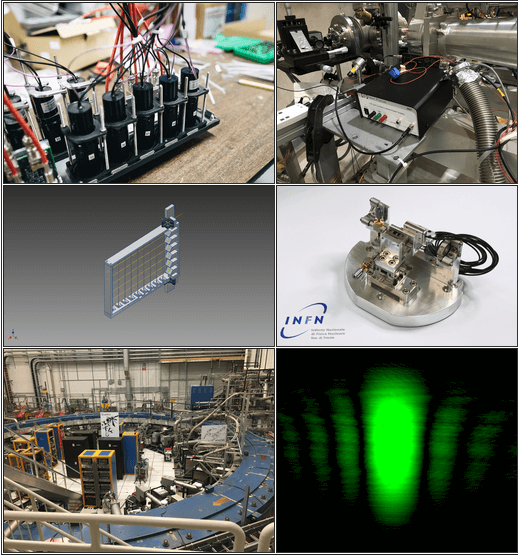
Research conducted in the laboratory primarily focuses on fundamental problems in physics and seeks answers to questions about the composition of the Universe, such as the nature of dark matter and dark energy. To this end, we develop innovative sensors and techniques in interferometry and optical resonators.
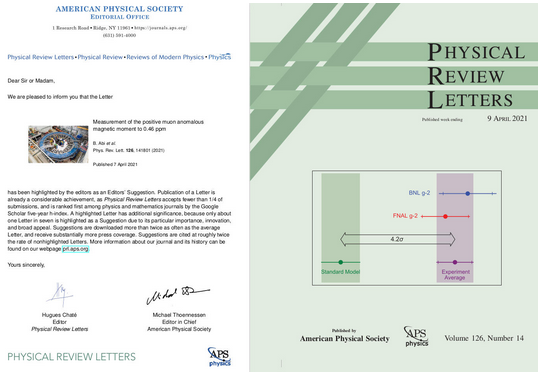
Laboratory members are currently involved in several international projects, including g‑2 (Fermilab), which aims to measure the anomalous magnetic moment of the muon precisely, and MUonE (CERN). The CAST experiment (CERN), which monitored the Sun in search of undetected particles, was recently completed.
Student Papers
You can find student papers at the following link.
Laboratory Publications
Capital Equipment
Data acquisition (DAQ) is a process in which a computer measures an electrical or physical phenomenon such as voltage, current, pressure, or sound. A DAQ system comprises sensors, DAQ measurement hardware, and a computer with suitable software. Compared to traditional measurement systems, PC-based DAQ provides faster processing, higher productivity, improved visualisation, and better connectivity options, offering a more powerful, flexible, and cost-effective measurement solution.
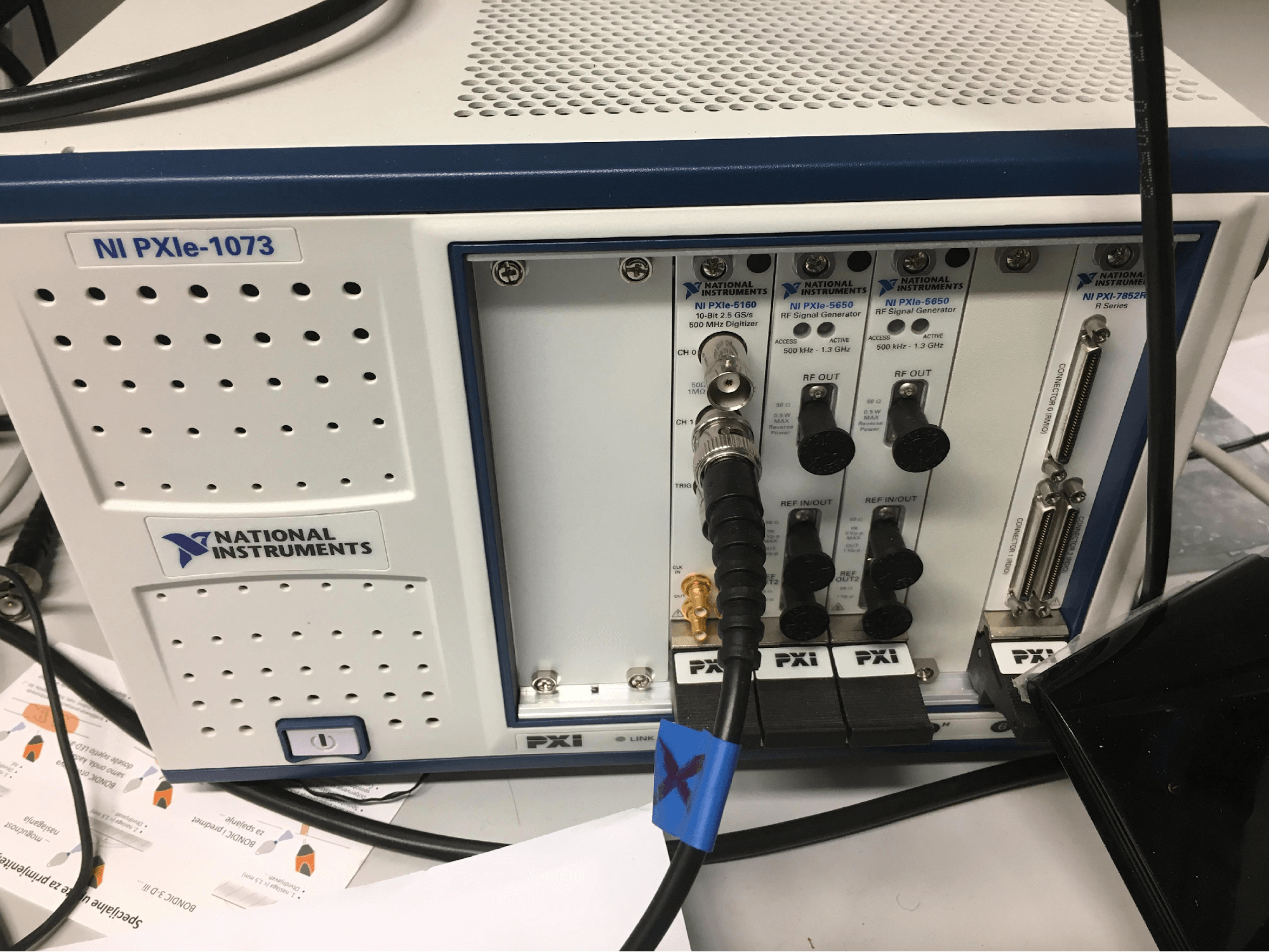
- 3U PXI Express, Compact PCI Express, and Hybrid Modules
- Five peripheral expansion slots in a compact chassis with automatic voltage and frequency selection
- Integrated MXI-Express controller
- Rise time: 1.4 ns; bandwidth: 250 MHz; ENOB up to 7.6
- Real-time sampling up to 2.5 × 10⁶ samples/s; RIS up to 50 × 10⁶ samples/s
- Jitter < 200 fs; amplitude resolution < 0.1 dB
- Amplitude settles to within 0.05 dB of final value in < 500 ms
- VSWR < 1.8:1 at 50 Ω output impedance
The continuous-wave diode-pumped solid-state green laser is based on a Non-Planar Ring Oscillator (NPRO). The output of the Nd:YAG NPRO is frequency-doubled using an efficient periodically poled crystal. Up to 100 mW of green output (532 nm) is available, while the depleted infrared beam at 1064 nm is also accessible with output power up to 1.5 W. Linewidth, tunability, stability, and noise characteristics of both beams are determined by the unique properties of the NPRO and low-noise electronics. The electronic noise-reduction circuitry suppresses residual pump-diode noise and relaxation oscillations below 1 MHz.
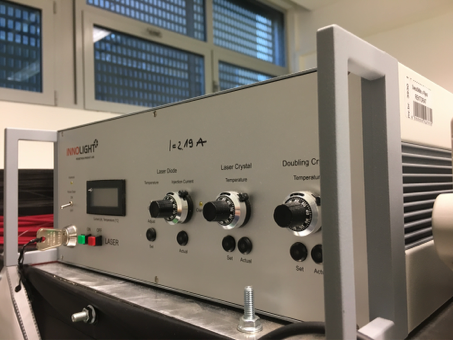
- Laser power: 20 mW @ 532 nm and 1000 mW @ 1064 nm
- Stand-alone analogue control electronics
- Continuous-wave operation
- TEM₀₀ spatial mode, thermal and piezoelectric tuning
- Single-frequency output
- Coherence length > 1 km
- Spectral linewidth ~ 1 kHz
Optical tables provide vibration isolation for sensitive setups such as biomedical systems, scanning microscopy, spectroscopy, interferometry, electrophysiology, and precision measurements. Optical and optomechanical components enable the design and implementation of measurement setups tailored to current experimental needs. Optical elements such as lenses are used to modify laser-beam properties.
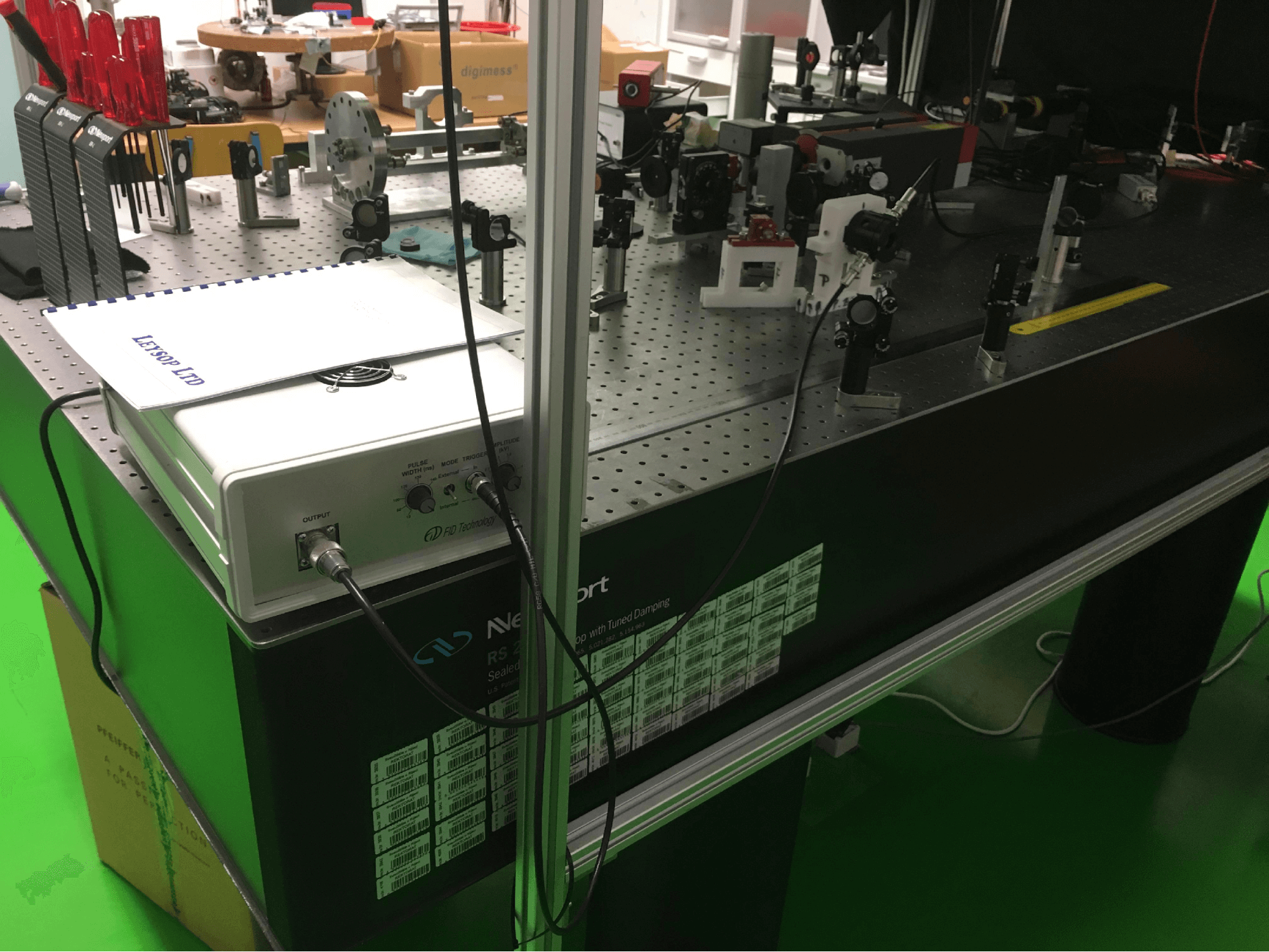
- Air-filled vibration isolators
- Passive damping
- Mounting holes sealed with conical polymer cups
- Honeycomb internal structure
- Increased point-load capacity
- N-BK7 or UV-grade fused-silica substrates
- AR-coated and uncoated optics
- Precision micrometre screws (100 TPI)
- Reinforced carbide bases
- Lenses with focal lengths from f = –50 mm to f = 1500 mm